How often should you schedule professional cleaning? A guide for schools and offices
One of the most common questions we get from schools, offices and estate managers is simple: how often do we actually need cleaning? The honest answer is that it depends on foot traffic, building use, and what is at stake if cleanliness slips - but there are useful rules of thumb.
Daily: high-traffic and shared-surface areas
Classrooms, office floors, toilets, and reception areas that see continuous use should be cleaned daily. The World Health Organisation's guidance on hygiene in public and institutional settings emphasises that frequently touched surfaces - door handles, desks, toilet fittings - are the fastest routes for germs to spread, and daily cleaning materially reduces that risk, especially during school terms and flu seasons.
Weekly: deeper cleans and less-trafficked spaces
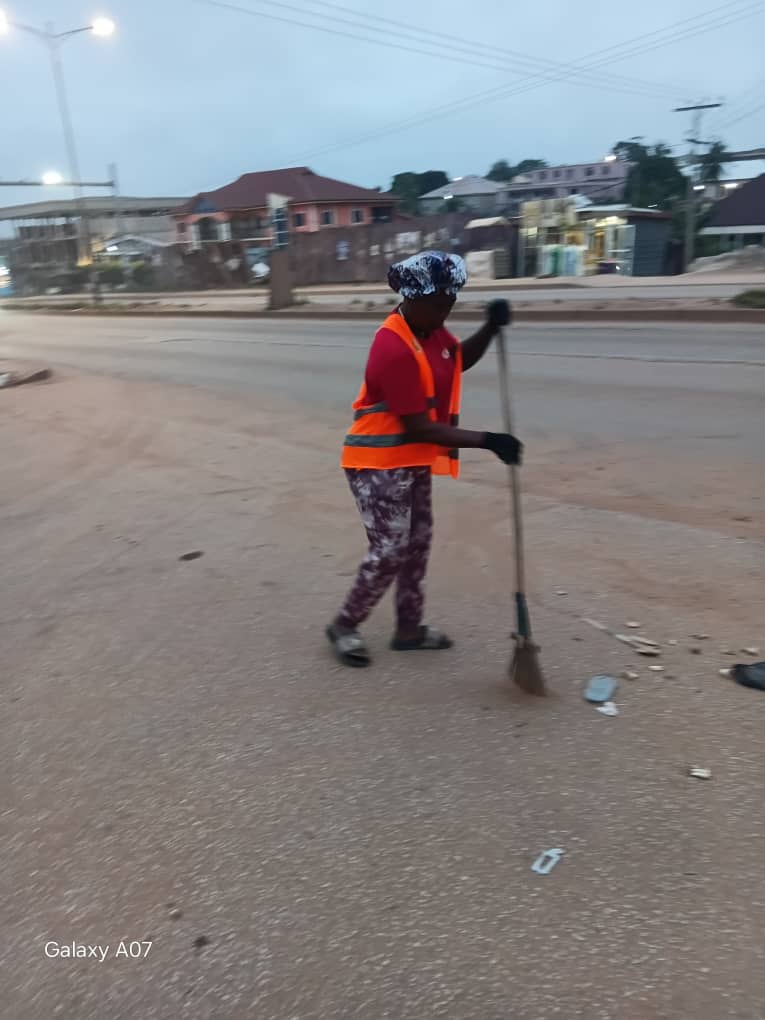
Store rooms, meeting rooms used a few times a week, stairwells, and compound sweeping typically only need a thorough clean once or twice a week. This is also a good cadence for window cleaning, and for compound and car park sweeping in schools and residential estates.
Monthly or scheduled: deep cleans and specialist jobs
Carpet shampooing, deep kitchen degreasing, gutter clearing, and post-event cleans are best scheduled monthly or on demand rather than folded into a routine. Real estate and facility managers often find that a monthly deep clean, paired with daily/weekly routine cleaning, keeps costs predictable while avoiding the buildup that leads to expensive one-off remediation later.
Getting the schedule right for your site
The right frequency ultimately depends on your specific building, number of occupants, and budget. WasteCure's cleaning service for schools, corporate offices, and residential and real estate facilities starts with a short site walk-through so we can recommend a realistic schedule rather than a one-size-fits-all package. If you manage a school, office or estate in the Ashanti Region, get in touch and we will help you design one.
Sources and references
This article is based on the following sources. We encourage you to read them for more detail.
- Water, sanitation, hygiene and waste management for institutionsWorld Health Organisation (WHO)
- Cleaning and disinfecting public spacesUS Centers for Disease Control and Prevention (CDC)
Want to take action?
Request a pickup, partner with us, or get in touch - we would love to hear from you.
Related articles
All articles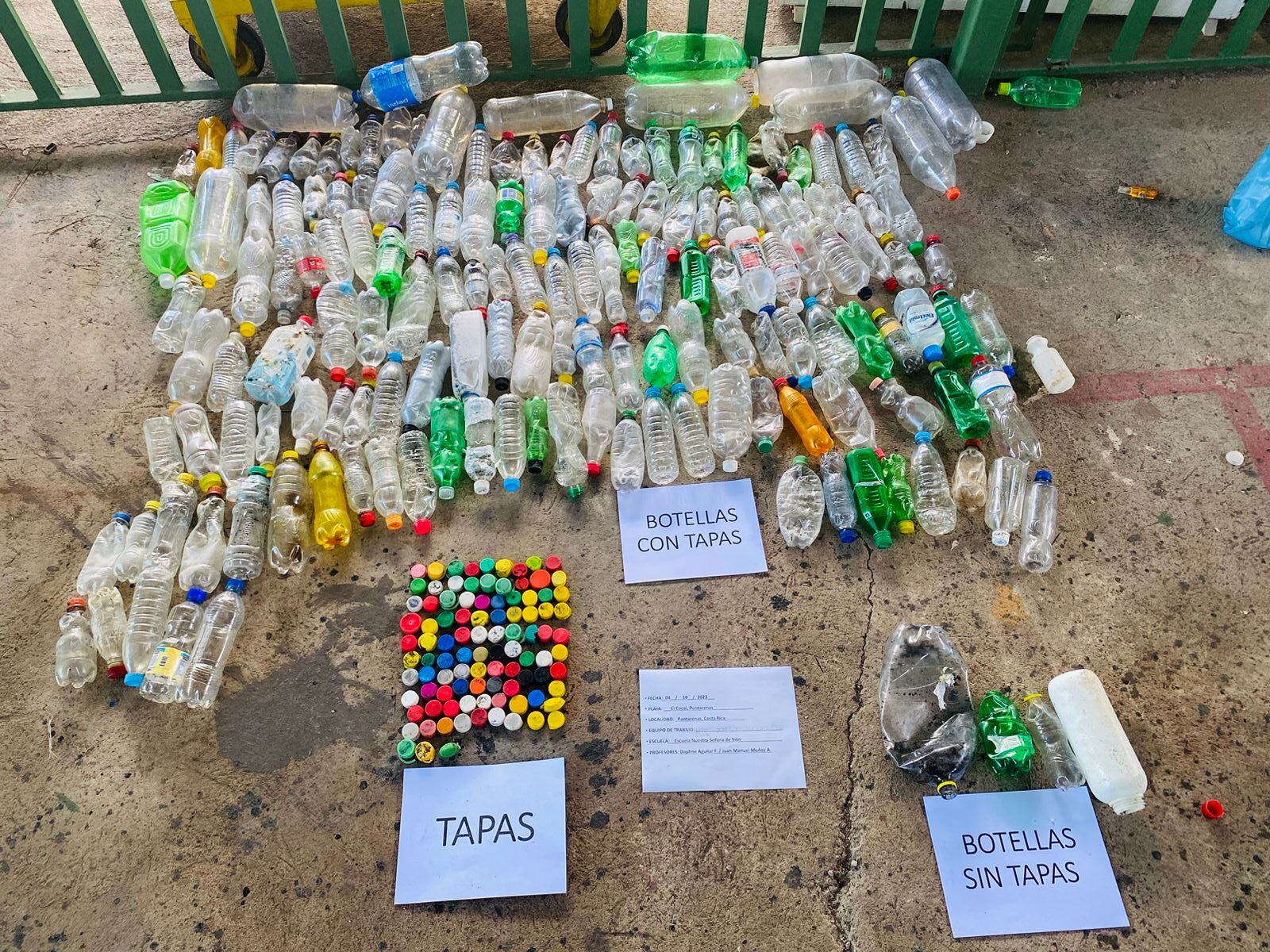 Tips
TipsHow to sort your plastic at home: a practical guide for Ghana
Not all plastic is the same. Learn the difference between PET, HDPE and LDPE, and how to sort them so they actually get recycled.
 Education
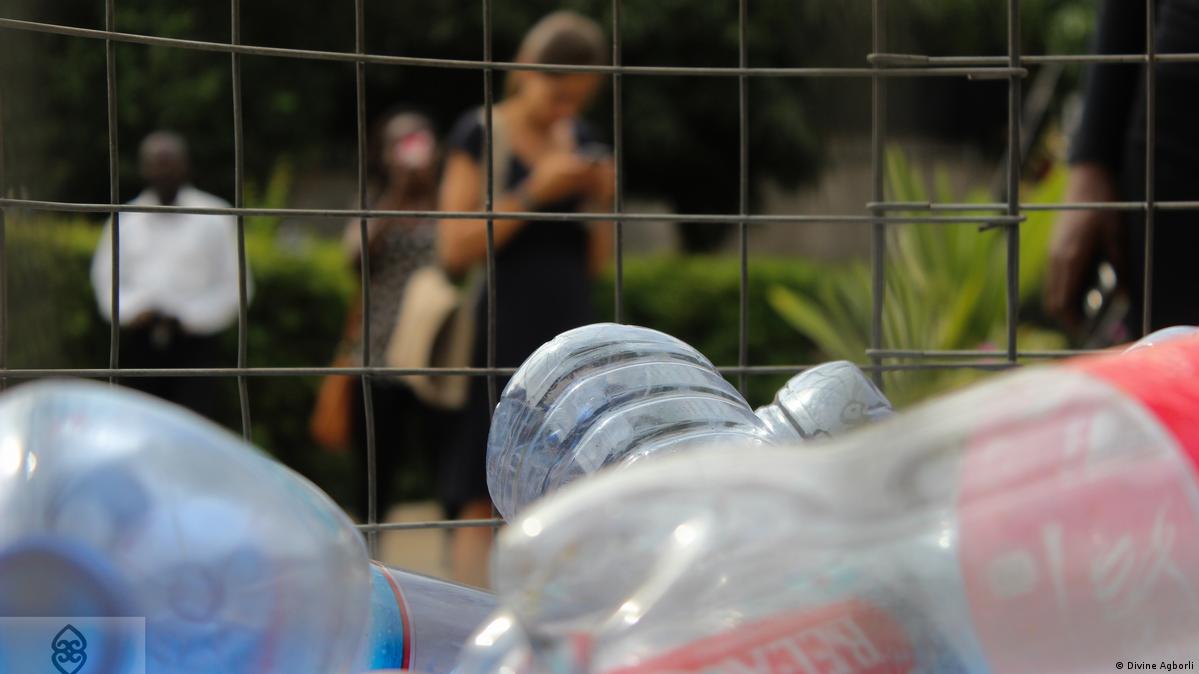
Why burning plastic is not the answer: health and environmental impacts
Many households burn plastic to get rid of it. Here is what that smoke does to your health and the environment, and what to do instead.
 Education
Plastic pollution in Ghana: 7 facts you should know
How much plastic does Ghana produce? Where does it end up? We break down the numbers behind the country's plastic waste challenge.